Best overall: an independent pre-closing home inspection. Best before walls close: a pre-drywall inspection; best targeted additions: a sewer scope for drain-line visibility and radon testing for indoor radon measurement. This guide ranks inspections for a Chattanooga new construction purchase in 2026 by what each can answer and when it belongs in your schedule.
- For inspections for new construction homes Chattanooga buyers should prioritize an independent pre-closing inspection, then select targeted additions.
- Pre-drywall inspections address accessible construction details before wall coverings conceal them.
- Sewer scopes, radon tests, termite inspections, and mold assessments answer different questions; none replaces a general inspection.
- Mycityhomeinspector fits Chattanooga buyers seeking residential inspections and specialty testing.
Why this matters
New construction needs inspection because new materials and equipment do not establish that installation is complete or functioning as intended. An independent inspection documents visible, accessible conditions; it does not guarantee that every concealed defect will be found.
Mycityhomeinspector provides residential inspections and specialty testing in Chattanooga, Knoxville, Nashville, and Atlanta. Review the inspection services and confirm the scope, construction-stage access, and testing arrangements before scheduling.
For a Chattanooga purchase in 2026, start with your builder’s access procedures and your contract deadlines. A useful finding needs enough time for evaluation, a response, and any agreed follow-up—not just a place in a report.
What makes the best new construction inspections
Choose an inspection because it answers a defined question, not because it makes a package longer. These criteria determine the ranking:
- Coverage: Prioritize a broad review of accessible property systems before narrow specialty questions.
- Timing: Inspect construction details while they remain visible and completed systems when they can be operated.
- Evidence: Ask for written findings, location details, photos where useful, and clear recommendations.
- Limitations: Understand inaccessible areas, unfinished work, test boundaries, and excluded components.
- Next steps: Favor findings that identify what needs clarification, further evaluation, or correction.
New construction inspections at a glance
The order below is a decision guide, not a recommendation to purchase every service. Pre-drywall inspection is time-sensitive even though the pre-closing inspection ranks first for overall coverage.
| Inspection | Best for | Standout purpose | Key limitation |
|---|---|---|---|
| Independent pre-closing inspection | Broad review before ownership | Documents accessible systems and visible defects | Cannot reveal every concealed condition |
| Pre-drywall inspection | Construction-stage visibility | Reviews accessible details before coverings | Does not assess the completed home |
| Sewer scope | Main drain-line questions | Provides an interior camera view of an accessible line | Camera access and visibility limit findings |
| Radon testing | Indoor radon measurement | Measures radon under the test conditions | Does not guarantee future concentrations |
| Termite inspection | Wood-destroying insect concerns | Looks for visible evidence within the agreed scope | Does not expose concealed framing |
| Targeted mold assessment | Moisture or suspected growth | Investigates a specific concern | Sampling alone does not explain a moisture source |
1. Pre-closing inspection: best for broad property coverage
An independent pre-closing inspection is the default choice for a completed Chattanooga new construction home. It evaluates visible, accessible conditions within the agreed scope and identifies concerns requiring clarification or further evaluation.
Schedule around actual construction readiness, not the calendar alone. Missing utilities, incomplete installations, or blocked access can prevent meaningful evaluation of affected systems.
Pre-closing inspection pros:
- Covers multiple property systems rather than a single concern.
- Creates a written reference for discussions with the builder.
- Separates observed conditions from recommendations for further evaluation.
Pre-closing inspection cons:
- Finished walls and other coverings conceal construction details.
- Incomplete work or unavailable utilities restrict the inspection.
Best for: Buyers who need an independent overview before taking ownership.
Ask how the report identifies uninspected components and unfinished work. An item that could not be inspected is not the same as an item inspected without a reported concern.
Verdict: Buy as your default inspection, with access and readiness confirmed first.
2. Pre-drywall inspection: best before construction is concealed
A pre-drywall inspection addresses accessible construction details before insulation or wall coverings obstruct the view. Depending on the stage and agreed scope, this can include visible framing and portions of plumbing, electrical, and mechanical installations.
Ask exactly when access is permitted and which installations will be ready. A visit too early leaves work unreviewed; a visit after coverings are installed loses the reason for choosing this inspection.
Pre-drywall inspection pros:
- Provides visibility that a finished-home inspection cannot reproduce.
- Documents the location of accessible concerns before concealment.
- Gives the builder a defined set of observations to address.
Pre-drywall inspection cons:
- Depends on builder permission and construction scheduling.
- Cannot evaluate completed finishes or fully operating systems.
Best for: Buyers purchasing early enough to arrange a construction-stage visit.
Confirm whether the inspector performs this inspection type and what the written scope includes. Do not assume a standard residential inspection appointment automatically covers construction-stage review or code-compliance verification.
Verdict: Buy when the construction stage and permitted access make it useful; skip once the relevant work is concealed.
3. Sewer scope: best for questions about the main drain line
A sewer scope uses a camera to view the interior of an accessible drain or sewer line. For new construction, the relevant question is whether the inspected section shows an obstruction, damage, or another visible condition requiring evaluation.
Indoor fixtures draining during a home inspection do not provide an interior view of the buried line. A camera inspection adds different evidence rather than repeating the same check.
Sewer scope pros:
- Examines a line that is otherwise largely concealed.
- Can document visible conditions with recorded images or video.
- Helps direct a plumbing follow-up to an identified concern.
Sewer scope cons:
- Access problems or obstructions can prevent a complete camera passage.
- A camera view does not establish every aspect of installation quality.
Best for: Buyers seeking direct information about an accessible main drain line.
Before booking, establish whether the property uses a public sewer connection or a private septic system. A sewer scope is not a substitute for an appropriate septic-system evaluation, and the inspected endpoint should be clear in the report.
Verdict: Buy when you want buried-line evidence beyond fixture operation and camera access is confirmed.
4. Radon testing: best for measuring indoor radon
Radon testing measures indoor radon; a visual inspection cannot do that. EPA guidance identifies testing as the way to determine a home’s radon level, so a new construction date is not a substitute for measurement.
For a 2026 purchase, coordinate the test with construction readiness and the testing provider’s instructions. Ask how ventilation, unfinished work, and access affect the planned procedure.
Radon testing pros:
- Answers a question that visual inspection cannot resolve.
- Produces a measurement for the tested conditions.
- Supports a defined discussion about any recommended follow-up.
Radon testing cons:
- Results reflect the measurement period rather than every future condition.
- Testing does not install or verify a mitigation solution unless separately included.
Best for: Buyers who want a radon measurement rather than an assumption based on the home’s age.
Mycityhomeinspector lists radon testing among its specialty inspection services. Confirm the testing procedure and delivery schedule before choosing a date that must fit a transaction deadline.
Verdict: Buy when you need an indoor radon result for the purchase decision.
5. Termite inspection: best for visible wood-destroying insect evidence
A termite inspection looks for evidence within its stated scope and accessible areas. New construction does not make a visual inspection equivalent to a treatment record, and a treatment record does not replace an inspection of present conditions.
Keep those documents separate. Ask what the inspection covers, whether other wood-destroying insects are included, and whether any transaction-specific documentation is needed.
Termite inspection pros:
- Adds a focused review for visible insect evidence.
- Helps distinguish inspection findings from treatment documentation.
- Identifies concerns that warrant pest-management evaluation.
Termite inspection cons:
- Cannot rule out activity inside inaccessible construction.
- Does not provide treatment or establish warranty coverage.
Best for: Buyers seeking a separate wood-destroying insect review or clarification of a requested document.
Do not assume the builder’s paperwork answers every inspection question. Read its stated coverage and direct treatment or warranty questions to the responsible provider.
Verdict: Buy when you need a focused inspection or a clearly specified transaction document.
6. Targeted mold assessment: best for a specific moisture concern
A targeted mold assessment belongs on the list when there is visible suspected growth, water intrusion, persistent dampness, or another defined concern. Start by identifying the question the assessment is intended to answer.
Sampling is not automatically the first or most useful step. EPA mold guidance explains that visible mold often does not require sampling; the moisture source and appropriate corrective work still need attention.
Targeted mold assessment pros:
- Focuses attention on a specific condition or location.
- Can distinguish an investigation from a general inspection observation.
- Supports recommendations for further evaluation or corrective work.
Targeted mold assessment cons:
- Samples do not describe every room, surface, or future condition.
- Testing does not repair leaks or perform remediation.
Best for: Buyers with documented moisture concerns or visible suspected growth.
Ask what observations or samples are proposed and how each result changes the next step. Avoid treating an isolated laboratory result as a whole-home clearance.
Verdict: Hold unless there is a defined concern; buy a targeted assessment when the question is clear.
How these inspections were ranked
Broad property coverage comes first, followed by construction-stage visibility and targeted questions that a general inspection cannot fully answer. The ranking does not claim that one specialty test is necessary for every Chattanooga home.
For your 2026 purchase, change the order to match the building stage. A pre-drywall opportunity happens before a pre-closing inspection, even though the completed-home review remains the default recommendation.
Turn inspection findings into a useful builder discussion
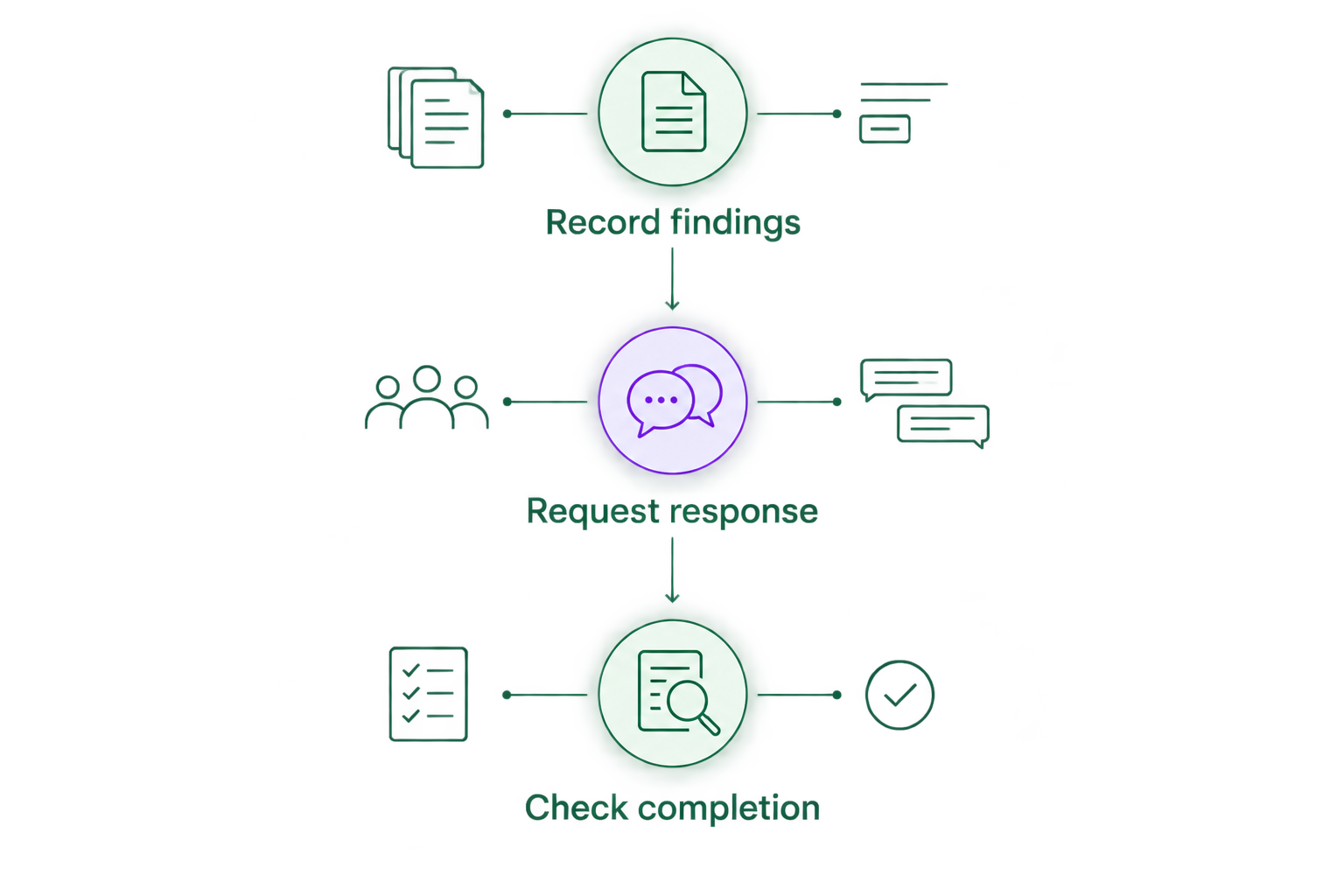
A report is most useful when each concern connects to a location, supporting evidence, and a next step. Use this sequence rather than forwarding an unexplained collection of photos:
- Record findings: Keep the report’s description, location, and related photos together.
- Request response: Ask the builder to address the identified condition or explain the proposed approach.
- Check completion: Clarify what follow-up evidence or reinspection is appropriate for agreed work.
A written response is not the same as a verified correction. Ask what was done, where it was done, and whether the condition needs another inspection or a specialist’s evaluation.
Which new construction inspections should you choose?
Choose an independent pre-closing inspection as the default, then add services that answer a separate property question. Arrange a pre-drywall visit when construction access permits; consider a sewer scope and radon test for evidence the visual inspection cannot supply.
Mycityhomeinspector offers residential inspections and specialty testing, but you should confirm the exact services and scope for your construction stage. Keep inspection, testing, repair, remediation, and builder obligations separate in every discussion.
FAQ
What are the best inspections for a new construction home in Chattanooga?
Start with an independent pre-closing inspection, then choose targeted additions for the property. A pre-drywall inspection addresses construction-stage visibility, while sewer scopes and radon tests answer separate questions.
Do I need an independent inspection if the builder has already checked the home?
An independent inspection provides a separate review of visible, accessible conditions within its agreed scope. Builder checks and public inspections have their own purposes and do not establish the scope of your private inspection.
Is a pre-drywall inspection better than a final home inspection?
Neither replaces the other because they examine the home at different construction stages. A pre-drywall visit provides access before concealment; a pre-closing inspection addresses the substantially completed home.
Is a sewer scope useful for a brand-new house?
A sewer scope is useful when you want an interior view of an accessible drain line. New construction status does not show the line’s interior, and operating indoor fixtures does not provide the same evidence.
Should I add radon testing to a new construction inspection in 2026?
Add radon testing if you want to know the home’s measured indoor radon level. A visual inspection and the construction date cannot provide that measurement.
Should every new home receive mold sampling?
No; mold sampling should answer a defined question rather than serve as an automatic addition. Visible suspected growth or moisture concerns call for an assessment of the condition and its source, with sampling selected when useful.
Does an inspection mean the builder must repair every finding?
An inspection documents conditions and recommendations; it does not determine contractual repair obligations. Review the report with your real estate professional and address contract or legal questions with the appropriate adviser.
One last thing
An uninspected component is an unanswered question, not a passing result. Before your 2026 closing, review the report’s limitations and incomplete items alongside its findings, then decide which unanswered questions need follow-up before ownership changes.
Related guides
- Specialty tests for an older home purchase in Chattanooga
- Specialty tests for an older home purchase in Knoxville
- Specialty tests for an older home purchase in Nashville
Protect Your Home. Inside and Out.
Plan a professional inspection and get clearer information about the property you own, are buying, or are preparing to sell.