
A house can photograph beautifully and still require major work behind the finishes. The most important home-buying question is not whether every defect exists—most lived-in houses have some—but which findings could affect safety, future costs or the ability to use the property as intended.
Buyers around Chattanooga and the surrounding markets should examine the major systems, request documentation and allow time for follow-up evaluations. The Consumer Financial Protection Bureau advises scheduling an independent inspection early enough to investigate important findings before the purchase deadline.
Quick answer: Treat new finishes as presentation, not proof of the condition of concealed systems. Request documentation, inspect what is accessible, and seek specialist follow-up where evidence warrants it.
1. Moisture problems hidden behind fresh paint
A newly painted ceiling is not proof of a leak, but a stain that returns, peeling trim, swollen baseboards or a persistent musty odor deserves attention. Moisture may come from a roof leak, plumbing connection, condensation or groundwater intrusion. Different sources require different repairs; simply repainting does not correct any of them.
What to ask: When was the area last wet, what caused it, and what work was performed? Request dated repair documentation and inspect nearby accessible surfaces for evidence of continuing moisture. The EPA emphasizes that controlling moisture—not merely cleaning visible growth—is central to preventing recurring mold problems. If concerns remain, discuss a follow-up moisture or mold inspection where appropriate.
2. Foundation movement combined with poor drainage
Cracks in masonry do not all carry the same significance. A narrow, stable shrinkage crack differs from displacement accompanied by a sticking door, sloped floor or recurring water entry. Soil conditions, grading and unmanaged roof runoff can also influence foundation moisture and pressure. The costly risk is ignoring a pattern because one crack appears small.
What to ask: Have cracks changed, has the foundation been repaired, and is there an engineering report? Look at surface drainage after rainfall and ask how gutters discharge. A home inspector can document visible concerns but cannot certify concealed foundation conditions or structural adequacy. Significant movement may call for a structural engineer; start with our guide to grading and drainage around a home.
3. Electrical upgrades that are only cosmetic
New switches, outlets and light fixtures can make an electrical system look modern without updating older circuits or correcting unprofessional alterations. The important questions concern distribution equipment, grounding, appropriate protective devices, wiring condition where accessible, and signs of overheating or unsafe modifications.
What to ask: Was a panel replacement or rewiring performed, by whom, and under which permit or inspection? Do not remove panel covers or investigate live equipment yourself. A general home inspection is not a code-compliance audit, but visible deficiencies can justify consultation with a qualified electrician. Learn what is typically considered during an electrical panel inspection.
4. Roof problems disguised by a tidy exterior
From the curb, a roof may look sound even when flashing details at chimneys and vents are deteriorated. Interior staining can occur away from the entry point because water travels along framing. Missing shingles, exposed fasteners, patchwork repairs and soft sheathing warrant closer examination before a buyer accepts an optimistic statement about remaining service life.
What to ask: How old is the roof, what has been repaired, are warranties transferable, and is there any history of water intrusion? Your inspection should clarify visibility limitations, especially on steep or inaccessible roofs. Obtain a roofing specialist's estimate if major defects are reported rather than assuming a small patch will resolve everything.
5. Heating and cooling equipment nearing a major expense
A home can feel comfortable during a short showing while its heating or cooling system struggles under more demanding conditions. Maintenance history, age, airflow, accessible duct condition, unusual sounds and signs of poor temperature control all matter. An aging unit is not automatically defective, but its probable maintenance and replacement exposure should be part of the budget.
What to ask: When was the equipment serviced, were large components replaced, and are there recurring performance complaints? A standard inspection is a limited functional assessment rather than a guarantee of remaining years of service. See what a home inspection of HVAC systems can and cannot establish, and call an HVAC contractor for diagnostic testing if symptoms require it.
6. Crawl-space dampness and hidden wood deterioration
Crawl spaces are easy to forget during a showing and difficult to interpret without proper access. Standing water, condensation on ductwork, wet insulation, damaged vapor barriers and visibly deteriorated framing can signal ongoing moisture management problems. Humidity can also create conditions that favor wood-destroying organisms, though identification and treatment require separate expertise.
What to ask: Has the crawl space flooded, are there invoices for drainage or encapsulation work, and is it accessible for inspection? Never enter a confined or unsafe crawl space. Request focused follow-up if access is blocked or wood deterioration is observed; the absence of visible evidence from an inaccessible area is not proof of good condition.
7. Renovations or additions with incomplete documentation
A finished attic bedroom, converted garage or recently opened wall may be useful, but the work raises questions about structure, ventilation, electrical changes and approvals. A polished surface does not tell you what framing was altered or whether hidden work was examined before drywall went up.
What to ask: Request permits, final inspection records, contractor invoices and any available plans. Compare claimed living space with public records without assuming records will always be complete. If modifications involved load-bearing walls or unusual roof framing, additional specialist review may be needed. A pre-purchase inspection is one step in due diligence, not a substitute for validating renovation documentation.
8. Drains that look normal but conceal pipe trouble
A running faucet during a showing tells you little about the condition of an underground sewer lateral. Older piping, tree roots, bellies, corrosion and poorly joined repairs may not be obvious until a line backs up. Slow drains, sewer odors, recurring clogs and unusual cleanout conditions are clues, but some defects exist without any symptoms.
What to ask: Has the sewer line been scoped or repaired? Are there receipts for repeated drain cleaning? If the property is older, has mature tree growth, or has a history of backups, ask whether a sewer-scope inspection would be appropriate. Camera findings still need professional interpretation; not every small imperfection requires excavation.
9. Attic air leakage and insulation that increase operating costs
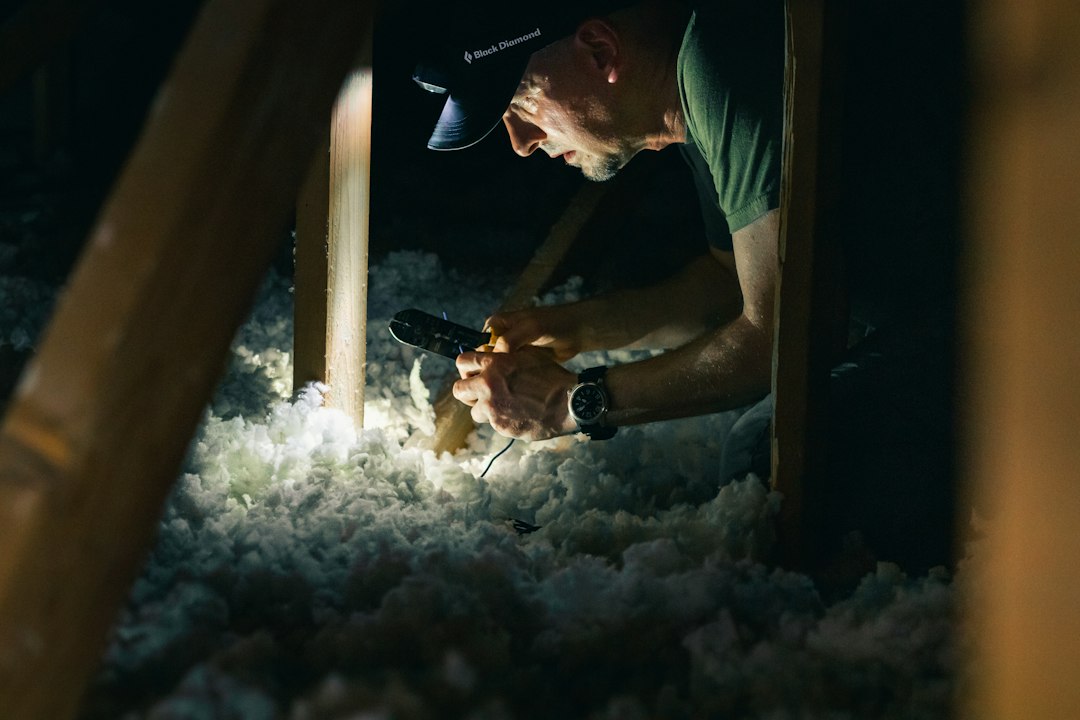
A fresh-looking interior can mask poor attic insulation, missing air sealing or bath fans exhausting into the attic rather than outdoors. The result may be uneven temperatures, higher energy consumption or persistent condensation. Adding more insulation without correcting an active moisture source is not an effective first step.
What to ask: Were air sealing or ventilation improvements completed, and can the seller provide details? Ask the inspector to document visible insulation and moisture concerns, plus any spaces that could not be accessed. ENERGY STAR recommends addressing wet insulation, deteriorated rafters and improperly routed exhaust ducts before ordinary attic improvement work.
Which inspection findings deserve the fastest follow-up?
Prioritize active moisture intrusion, electrical safety concerns, structural displacement, major roof deterioration and potentially failing underground lines. Ask the inspector which conditions were directly observed, which are suspected and which require a specialist. Then request written repair estimates before negotiation deadlines. Not every defect is a deal-breaker, but expensive uncertainties deserve evidence.
Can a home inspection uncover every hidden problem?
No. A home inspection is generally visual and limited to accessible systems and conditions at the time of the visit. Inspectors cannot see inside sealed walls or promise that equipment will never fail. That is why the report, seller disclosures, maintenance records and targeted specialty inspections should be considered together.
Make the next step evidence-based
Use My City Home Inspector's buyer-inspection information to plan your inspection and consider appropriate add-ons for the property. Review findings early, not on the eve of closing. For context on next steps, read how to read a home inspection report.
Sources
Consumer Financial Protection Bureau: scheduling a home inspection; EPA: mold and moisture guidance; ENERGY STAR: attic air sealing and warning signs.
Protect Your Home. Inside and Out.
Plan a professional inspection and get clearer information about the property you own, are buying, or are preparing to sell.