
An inspection can help you understand a vacant house, but the appointment needs planning. Find out how long the property has been empty, which utilities are operating, and whether the inspector can reach the areas included in the agreement. A quiet house has fewer people available to explain what happened during the last heavy rain or the last heating season.
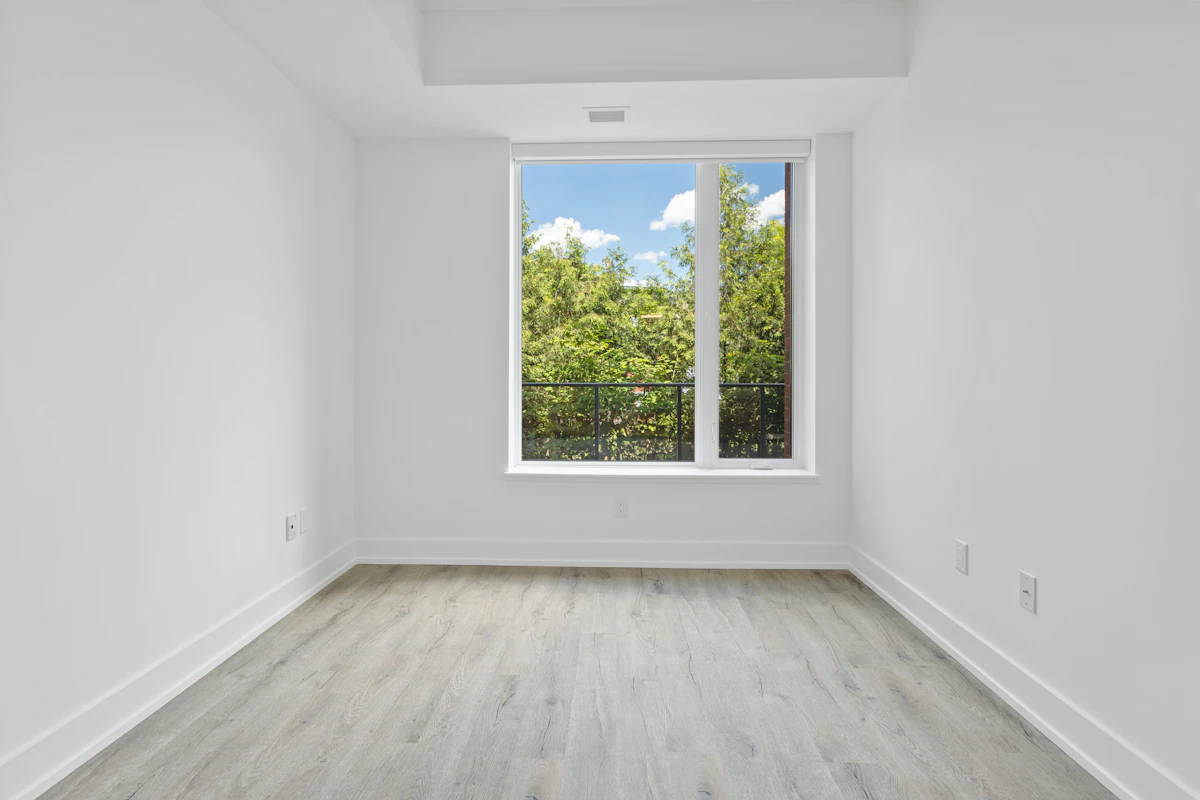
That matters whether you are buying an empty ranch in Knoxville, a Nashville relocation property or a house awaiting an estate sale in Chattanooga or Atlanta. Vacancy is a reason to ask better questions; it is not a diagnosis of the building.
Start with a short vacancy history
Ask the seller or authorized representative when the home was last occupied and what care it received afterward. Was someone checking the property? Were leaks repaired? Was equipment serviced? Were any systems intentionally shut down or winterized?
Collect the answers and available invoices in one place. An answer such as “the water has been off since spring” is useful scheduling information, even when nobody knows the condition of every pipe.
- Approximate dates of vacancy and the last known occupancy.
- Utility status and any winterization records.
- Known leaks, storm events, repairs and maintenance visits.
- Access arrangements for the house, attic, crawlspace and other agreed areas.
- Any test reports or specialist recommendations already available.
Arrange utilities without experimenting with the systems
Tell the inspection company about disconnected utilities before the appointment. Ask what needs to be operating for the agreed inspection and who must arrange it. Restoration may require the owner, utility provider or an appropriate contractor.
Do not turn on unfamiliar electrical, gas or water equipment simply to see whether it works. A home inspection should not depend on a buyer attempting a repair or restarting equipment of unknown condition.
If a system cannot be operated, ask how that limitation will appear in the report and what follow-up would be needed. The ASHI Standard of Practice describes important limits around inaccessible areas and systems that cannot be safely inspected. Your actual inspection agreement and applicable standards determine the scope.
Look beyond whether the finishes are clean
An empty room makes some surfaces easier to see. It does not reveal concealed conditions or recreate months of normal use. Ask the inspector to explain observed conditions and limitations, rather than expecting the report to certify everything that may happen after occupancy.
For example, a dry stain needs context: where is it, is there evidence of current moisture, and is further evaluation recommended? The inspection may help frame the next question without establishing the complete history of the stain.
Choose additional services for the actual property
A standard visual inspection and a specialty test answer different questions. Discuss the property’s water supply, sewer or septic arrangement, previous reports and your intended use. MYCHI lists inspection and testing services separately so you can ask what is appropriate and available.
Do not treat a large bundle as a substitute for a clear scope. Ask which service answers each concern, what access it requires, and what a result would and would not tell you.
Plan what happens after the report
Separate the findings into immediate concerns, recommended specialist evaluations and routine maintenance. Ask qualified contractors about repair scope. If something could not be checked, decide with your agent and inspection company how to resolve the missing information within your transaction timeline.
Vacant-home inspection FAQs
Can a vacant house be inspected?
Often, yes. The useful extent of the inspection depends on access, utility status, conditions and the agreed service. Disclose those details before booking.
Does vacancy mean the home has hidden damage?
No. Vacancy alone does not establish a defect. Records, observed conditions and any recommended specialist work provide a stronger basis for decisions.
Will an inspection guarantee the systems will work after move-in?
No. MYCHI describes its home inspection as a visual, non-invasive evaluation of accessible systems at the time of inspection.
Tell us the house has been empty
Discuss an inspection for a vacant home with My City Home Inspector. Share the address, vacancy history, utility status and your deadline. The team can discuss coverage, service scope and appointment options; an enquiry does not confirm an appointment.
Protect Your Home. Inside and Out.
Plan a professional inspection and get clearer information about the property you own, are buying, or are preparing to sell.