
A dry-looking living room does not guarantee a dry building. Water can move through roofs, walls, plumbing and soil before leaving an obvious stain. A buyer or homeowner can often spot indirect clues—smell, material movement and drainage patterns—without opening walls or using specialist equipment.
This guide focuses on what to notice during a normal viewing and what those clues do not prove. In Chattanooga, Knoxville, Nashville and Atlanta-area homes, building age, crawl-space design, rainfall and site grading all influence the investigation. The EPA stresses that controlling the moisture source is fundamental to preventing recurring mold.
1. A musty smell appears when a closet or cabinet is opened
A closed cabinet can retain odors that are less obvious in a freshly cleaned room. Under-sink cabinets, basement storage areas and closets against exterior walls deserve special attention. A musty smell is a reason to investigate moisture; it is not proof of a specific mold species or an active plumbing leak.
Ask whether the area has flooded or been repaired. Look for staining near supply fittings, softened cabinet bases and swelling at joints. If a room smells noticeably different after the door has been shut, record where and when you noticed it so the inspector can investigate related accessible surfaces.
2. Paint looks unusually new in one isolated area
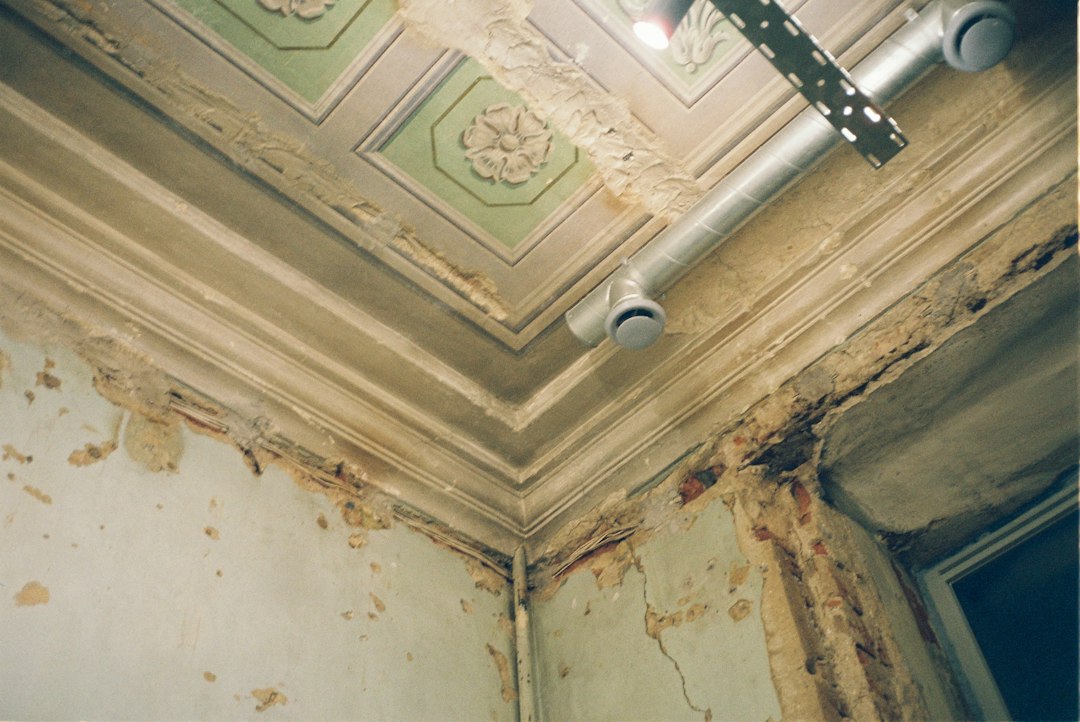
Fresh paint is common in ordinary maintenance and does not automatically conceal damage. What matters is whether a single ceiling patch or wall strip has different texture, sheen or surface profile, particularly below a bathroom, chimney or exterior window. Some leaks leave evidence at the repair location even after staining is covered.
Ask why the patch was made and request repair invoices when available. Do not assume paint proves a leak was corrected. EPA guidance warns against painting over damp or moldy material instead of resolving the water source.
3. Baseboards have a ripple, gap or swollen lower edge
Wood trim and engineered wood products react to repeated moisture exposure. Baseboards that lift from the wall, laminate edges that bubble or soft sections near a bath can indicate past wetting, poor drying or repeated cleaning exposure. Ordinary settling and installation defects can create similar appearances, so context matters.
Trace the location to adjacent plumbing, exterior doors or exterior grade. Ask whether there was a prior supply-line event or basement seepage. A professional can document the condition and determine if more focused evaluation is justified.
4. Window glass regularly condenses or sills show discoloration
Condensation occurs when warm humid air reaches a cool surface. Occasional condensation is not necessarily a building defect, but persistent wet sills, peeling finishes or damage around window corners can signal excess indoor humidity, air leakage or a window installation issue.
Observe whether the bathroom or kitchen exhaust actually vents outdoors and whether moisture collects in multiple rooms. EPA suggests indoor relative humidity below 60 percent, ideally 30–50 percent when practicable. A short reading from a handheld humidity meter is a snapshot—not proof of long-term conditions.
5. Crawl-space or basement walls show white mineral residue
A chalky deposit on masonry, known as efflorescence, can occur when water carries soluble salts through concrete or brick and evaporates. It is not the same thing as mold, and old residue does not necessarily indicate present active seepage. Together with wet floors, staining or earth odors, though, it may indicate a drainage issue.
Ask how the foundation is drained, whether there is a sump system and whether water has entered after heavy rain. Review grading and drainage around a home to understand why a foundation moisture investigation begins outside as well as inside.
6. The yard slopes inward or downspouts empty beside the wall
Interior finishes can be pristine while outside water is directed toward the building. Soil or paving that slopes to the foundation, missing downspout extensions and clogged gutters can keep perimeter materials wet and increase the likelihood of seepage into lower levels.
Walk the exterior where safe and check where roof runoff ends. Watch for erosion, washed-out mulch or recurring puddles. An inspector can note observable drainage deficiencies but cannot predict the exact behavior of every future storm.
7. An attic has rusty fasteners, dark sheathing or wet insulation
Attic stains may come from roof leaks, but humid indoor air escaping through ceiling openings can also condense on cold framing. Rust on nails, damp insulation or darkened sheathing should prompt a closer look at roof penetrations, exhaust ducts and the intended ventilation system.
Do not climb across ceiling insulation or disturb suspected contamination. Review attic ventilation and moisture concerns and ask the inspector to distinguish what was directly observed from what needs specialist diagnosis.
8. Bathrooms smell damp even after the exhaust fan runs
Bathing adds considerable moisture to the air. A fan that is noisy but moves little air, drains slowly or vents into an attic can leave walls damp. Recurrent mold-like growth on a ceiling or condensation around a shower enclosure may point to poor ventilation, water leakage or both.
Ask whether fan ducting has been checked and whether the shower waterproofing was repaired during any remodel. Visible grout defects do not establish the condition of the concealed waterproof membrane. If signs persist, mold-related inspection services may help frame the next steps.
9. A recent flooring replacement has no explanation
New flooring is often a simple cosmetic upgrade, but when paired with a history of plumbing problems or an unusually raised threshold it can justify questions about the subfloor. Moisture can damage materials beneath intact-looking tile, carpet or vinyl, and a standard inspection generally will not remove finishes to investigate.
Ask what was replaced, whether damaged subflooring was found and whether any moisture source was addressed. Seek evidence rather than assuming a flip is defective or that recent renovations guarantee sound conditions.
Can a normal home inspection detect hidden moisture?
A visual home inspection can identify warning signs in accessible areas, but it cannot confirm every concealed condition. Moisture meters and thermal imaging can support an investigation when appropriate; neither proves the absence of moisture everywhere. See thermal imaging versus moisture meters for the distinction.
What should buyers do after spotting moisture clues?
Take notes and photographs, request the seller's repair history, and schedule a buyer's home inspection early enough for specialist follow-up. If the inspection identifies material concerns, ask for a written diagnosis or estimate before the contractual deadline rather than relying on guesswork.
Sources
EPA: mold, moisture and home prevention; EPA: interactive mold house tour.
Protect Your Home. Inside and Out.
Plan a professional inspection and get clearer information about the property you own, are buying, or are preparing to sell.